
Kids Innerwear
 This item is discontinued.
Explore similar products from our collection.
-
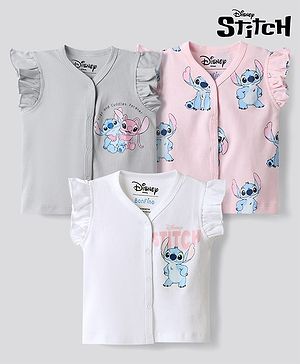
Bonfino Disney Interlock Knit Half Sleeves Jhablas with Stitch & Angel Graphics Pack of 3 - White Pink & Grey
Regular priceRs. 999.00Regular price Rs. 809.19Regular priceUnit price perRs. 999.00Sale price Rs. 809.19 19%Sale -
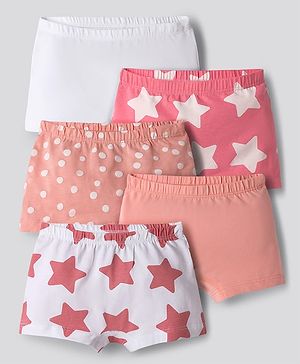
Bonfino Girls 95% Cotton 5% Elastane Knit Boxers With Polka Dot & Star Print Pack of 5 - Pink, Peach & White
Regular priceRs. 649.00Regular price Rs. 551.65Regular priceUnit price perRs. 649.00Sale price Rs. 551.65 15%Sale
Kids Innerwear for Everyday Comfort
Comfortable innerwear is an important part of every child wardrobe. Whether you are choosing everyday underwear for a toddler, soft vests for a baby or practical innerwear sets for growing children, the right styles should offer a comfortable fit and allow easy movement throughout the day. Parents can consider details such as fabric composition, waistband design, coverage and size when selecting everyday essentials.
The Bonfino Kids Innerwear collection includes different styles for babies and children, such as panties, briefs, trunks, vests, slips, camisoles and jhablas. The range features selected cotton elastane and interlock options, along with different colours, prints and pack sizes. From simple everyday designs to printed multi-packs, parents can compare the available styles and choose innerwear according to age, size and personal preference.
What Is Kids Innerwear?
Kids innerwear refers to the basic clothing worn closest to the body, usually underneath everyday outfits. It includes underwear, vests, slips, camisoles and other lightweight garments designed to provide coverage beneath outer clothing.
Different types of innerwear serve different purposes. Briefs and panties provide lower-body coverage, while vests, slips and camisoles are worn on the upper body. Trunks and boxers offer alternative underwear styles for boys. Choosing the right type depends on the child age, clothing preferences, outfit and comfort.
Different Types of Innerwear for Kids
Children innerwear comes in several styles, each designed for a particular type of coverage. Understanding these differences can help parents select practical options for everyday dressing.
1. Kids Panties
Kids panties are designed to provide lower-body coverage and are commonly included in girls everyday innerwear collections. They are available in different colours, prints and pack sizes. When choosing panties, check the waist fit, leg openings and fabric composition to ensure the garment feels comfortable under everyday clothing.
2. Kids Briefs
Briefs are a traditional underwear style that provides front, back and lower-body coverage with a relatively compact design. They are generally worn underneath trousers, shorts, skirts and dresses. Parents should check the waistband and leg openings to make sure the garment does not feel restrictive.
3. Kids Trunks
Trunks have a shorter leg section than many traditional boxer styles and provide coverage around the upper thighs. They are a popular option for children who prefer a slightly longer underwear design than briefs. Check the leg length and fit to ensure the fabric sits comfortably beneath clothing.
4. Kids Boxers
Boxers are generally designed with a looser fit and more coverage around the thighs than briefs. Their shape can vary depending on the style. When comparing boxers and trunks, look at the leg length, waistband and overall fit rather than relying only on the product name.
5. Kids Vests
Vests are sleeveless upper-body garments worn underneath shirts, T-shirts and other outfits. They provide an additional clothing layer and are available in different necklines and fits. A suitable vest should sit comfortably across the shoulders and chest without bunching under outer clothing.
6. Kids Slips
Slips are lightweight inner garments commonly worn underneath dresses, skirts and other outfits. They provide an additional layer between outer clothing and the body. Sleeveless designs are useful when parents want a simple underlayer that does not add bulky sleeves.
7. Kids Camisoles
Camisoles are lightweight sleeveless upper-body garments with shoulder straps. They can be worn as an inner layer beneath tops, shirts and dresses. Check the strap placement, neckline and overall fit to ensure the garment remains comfortable throughout the day.
8. Baby Jhablas
Jhablas are traditional baby garments generally designed as loose-fitting upper-body clothing. They are often chosen for their simple construction and easy dressing. When selecting a jhabla, consider the opening, fabric composition, neckline and available size.
Difference Between Briefs, Panties, Trunks and Boxers
Briefs, panties, trunks and boxers are all types of lower-body innerwear, but they differ in shape, coverage and fit. The following comparison can help parents understand the basic differences.
| Innerwear Type | General Design | What to Consider |
|---|---|---|
| Briefs | A compact underwear style with a close fit and no extended leg section. | Check the waistband, leg openings and overall coverage. |
| Panties | Girls underwear available in different cuts, colours and prints. | Look for a comfortable waist and leg fit. |
| Trunks | A close-fitting style with short leg sections that extend over the upper thighs. | Check the leg length and whether the fabric stays comfortably in place. |
| Boxers | Generally a looser style with more room around the thighs. | Consider the fit beneath trousers, shorts and other clothing. |
The exact design can vary between products and brands. Always check the product images and measurements to understand the shape and coverage of the selected garment.
Difference Between Kids Vests, Slips and Camisoles
Vests, slips and camisoles are upper-body innerwear options, but they are not identical. Their shape and intended use can help parents decide which style works best beneath different outfits.
| Style | Design | Common Use |
|---|---|---|
| Vest | Usually sleeveless with a more structured shoulder and body shape. | Worn underneath shirts, T-shirts and everyday outfits. |
| Slip | A lightweight undergarment that may extend further down the torso. | Worn beneath dresses, skirts and selected outfits. |
| Camisole | A sleeveless garment with shoulder straps and a simple upper-body design. | Used as an inner layer beneath tops, shirts and dresses. |
Product naming can vary across clothing collections. Check the garment length, neckline, straps and product description before choosing a style.
Fabrics Used in Kids Innerwear
Fabric composition is an important consideration when choosing clothing worn close to the body. The Bonfino collection includes selected cotton elastane and interlock options. Understanding the basic characteristics of these materials can help parents compare products.
| Material or Fabric Construction | General Characteristics | What to Check |
|---|---|---|
| Cotton Elastane | A cotton blend that includes elastane to provide stretch. | Check the stated cotton and elastane composition and the garment fit. |
| Interlock | A knitted fabric construction with a smooth and structured surface. | Check the fibre composition, fabric thickness and care instructions. |
Not every product in the collection has the same fabric composition. Read the individual product details to confirm the material before purchasing. This is especially important if your child has specific clothing preferences or sensitivities.
How to Choose the Right Innerwear Size for Kids
Correct sizing helps innerwear sit comfortably beneath everyday clothing. A garment that is too tight may feel restrictive, while one that is too loose may move around during daily activities. Use the product size chart and measurements wherever available.
1. Check the Waist Measurement
For lower-body innerwear such as briefs, panties and trunks, the waistband should sit comfortably without digging into the skin. Check the waist measurement and consider how the garment will fit when your child sits, walks and plays.
2. Consider the Leg Openings
Leg openings should provide suitable coverage without feeling tight around the thighs. This is particularly important for briefs, panties and trunks that sit close to the body.
3. Check the Shoulder and Chest Fit
For vests, slips and camisoles, check the shoulder straps, neckline and chest area. The garment should sit comfortably without slipping down or creating pressure around the shoulders.
4. Compare Measurements Instead of Relying Only on Age
Age labels are useful as a general guide, but children grow at different rates. Compare the product size chart with your child current measurements before selecting a size.
5. Allow Comfortable Movement
Innerwear should allow children to move naturally throughout the day. Avoid choosing a size that feels excessively tight around the waist, chest, shoulders or thighs.
Kids Innerwear by Age Group
Children need different innerwear styles as they grow. The available sizes in the collection include selected baby and toddler options, along with styles for older children. Use the age ranges below as general shopping guidance and always check the measurements listed for each product.
| Age Group | Innerwear Options to Consider | Buying Considerations |
|---|---|---|
| Preemie and Newborn | Selected baby innerwear and jhabla styles. | Prioritise suitable sizing, soft garment construction and easy dressing. |
| 0 to 3 Months | Baby vests and selected baby clothing essentials. | Check the neckline, opening and fit around the chest. |
| 3 to 6 Months | Selected baby innerwear styles. | Allow room for comfortable movement and check the available measurements. |
| 6 to 12 Months | Selected baby innerwear and upper-body underlayers. | Consider the garment fit as your baby becomes more active. |
| 1 to 3 Years | Selected panties, briefs, vests and other everyday innerwear. | Choose practical styles that are easy to put on and remove. |
| 3 to 6 Years | Selected panties, trunks, briefs, slips and vests. | Check the size chart carefully and consider your child preferences. |
Product availability and age ranges can differ between styles. The size selector on each product listing should be treated as the final guide to available options.
How to Choose Comfortable Everyday Innerwear for Children
Innerwear is worn for several hours, so practical details matter just as much as appearance. Parents can consider the following points when comparing different styles.
- Comfortable fit: Choose a size that sits properly without excessive tightness around the waist, chest or thighs.
- Fabric composition: Check the material details and select a fabric that suits your child preferences.
- Waistband design: Look for a waistband that stays in place without creating uncomfortable pressure.
- Suitable coverage: Consider the garment shape and coverage beneath the outfits your child usually wears.
- Easy dressing: Select practical styles that your child can wear comfortably as they become more independent.
- Care requirements: Check washing instructions to understand how the garment should be maintained.
- Pack quantity: Compare single pieces and multi-packs according to your household laundry routine.
Single Pieces or Multi-Packs: What Should Parents Choose?
Kids innerwear is often purchased in multiples because children need regular changes. The Bonfino collection includes selected multi-packs, particularly packs of five, along with some packs of two and three. The right option depends on the number of garments needed, preferred designs and available sizes.
| Pack Type | Why It Can Be Useful | What to Check |
|---|---|---|
| Single Piece | Useful when you want to try a particular style or choose a specific design. | Check the fabric, size and garment details. |
| Pack of 2 | Provides two garments for everyday rotation. | Confirm whether both pieces have matching or different designs. |
| Pack of 3 | Offers additional options for regular use. | Check the colours, prints and sizes included. |
| Pack of 5 | Can help build a larger everyday innerwear collection. | Confirm the total number of pieces and the complete pack contents. |
Before purchasing a multi-pack, check whether all pieces are the same style and whether the listed size applies to the complete set. Also review the product description to confirm exactly what is included.
Choosing Innerwear for Different Outfits
The type of innerwear can affect how comfortably an outer outfit fits. Selecting an appropriate style helps avoid unnecessary bunching and makes everyday dressing easier.
| Outer Clothing | Innerwear Options to Consider | What to Keep in Mind |
|---|---|---|
| T-shirts and Shirts | Vests or suitable upper-body underlayers. | Choose a neckline and fit that remain discreet beneath the outfit. |
| Dresses | Suitable slips or camisoles. | Consider the dress design and the coverage required. |
| Shorts and Trousers | Briefs, panties or trunks. | Check the leg length and waistband for a comfortable fit. |
| Skirts | Suitable panties or other lower-body innerwear. | Choose a style that offers appropriate coverage beneath the skirt. |
| Everyday Casual Wear | Vests, briefs, panties and trunks. | Prioritise comfort and a fit that works throughout the day. |
Colours, Prints and Designs in Kids Innerwear
Everyday innerwear does not have to be limited to plain designs. The collection includes selected solid colours and playful prints that add variety to children wardrobe essentials. Available design details include stripes, stars, hearts, unicorns, fruit prints and character-inspired patterns.
Some parents may prefer simple solid-colour styles for regular use, while others may choose printed multi-packs to add variety. When selecting printed innerwear, check the product images and material details to understand the design and garment construction.
How to Wash and Care for Kids Innerwear
Innerwear needs regular washing because it is worn close to the body. Following the care instructions can help maintain the fabric and garment shape over time.
- Read the care label: Follow the recommended washing temperature and cleaning instructions.
- Separate colours: Wash similar colours together where appropriate to help reduce colour transfer.
- Use a suitable detergent: Choose a detergent that works with the fabric and your household washing routine.
- Wash before first use: Washing new garments according to their care labels is a useful part of preparing them for wear.
- Avoid harsh treatment: Follow the garment instructions and avoid cleaning methods that may damage the fabric.
- Dry properly: Use the drying method recommended on the care label.
- Check the garment condition: Replace innerwear when the fabric becomes worn, stretched or damaged.
- Store clean garments: Keep washed innerwear dry and organised for easy access.
Why Choose Practical Innerwear for Babies and Kids?
Everyday innerwear should be selected with comfort, fit and ease of use in mind. The right styles can make daily dressing simpler while providing suitable coverage beneath different outfits.
- Everyday essentials: Innerwear forms a practical part of a child wardrobe.
- Different garment types: Parents can choose from panties, briefs, trunks, vests, slips, camisoles and jhablas.
- Variety of designs: Solid colours and playful prints offer different style choices.
- Multiple pack sizes: Selected packs provide options for regular clothing rotation.
- Different age ranges: Selected products cater to babies and older children.
- Material choices: The collection includes selected cotton elastane and interlock options.
Frequently Asked Questions About Kids Innerwear
1. What types of innerwear are available for kids?
Kids innerwear includes several garment types, such as panties, briefs, trunks, boxers, vests, slips and camisoles. Baby innerwear collections may also include jhablas. Each style provides different coverage, so parents can choose according to age, outfit and preference.
2. What is the difference between kids briefs and trunks?
Briefs have a compact design without an extended leg section, while trunks have short legs that cover part of the upper thighs. Both are lower-body innerwear options. The choice depends on the preferred coverage and fit beneath everyday clothing.
3. How do I choose the right innerwear for my child?
Consider your child age, measurements, preferred garment style and everyday clothing. Check the fabric composition, waistband, leg openings and coverage. Use the product size chart to select a comfortable fit rather than relying only on age labels.
4. Which fabric should I look for when buying kids innerwear?
Check the fabric composition and choose an option that suits your child preferences and clothing needs. The collection includes selected cotton elastane and interlock styles. Read the individual product description to confirm the material used in each garment.
5. Is cotton innerwear suitable for everyday use?
Cotton is commonly used in everyday clothing, but the exact garment composition and construction matter. Check the product material details and care instructions before purchasing. The collection also includes selected cotton elastane options.
6. What is the difference between panties and briefs?
Both are lower-body underwear styles with a close-fitting design. Panties commonly refer to girls underwear, while briefs describe a particular compact underwear shape. Product cuts can vary, so check the garment images and measurements for details.
7. What are camisoles used for in children clothing?
Camisoles are sleeveless upper-body garments with shoulder straps. They are generally worn as an inner layer beneath tops, shirts and dresses. Check the strap length, neckline and chest fit to ensure the garment sits comfortably.
8. What is the difference between a vest and a singlet?
Both terms can describe sleeveless upper-body garments, and their use may overlap depending on the clothing collection. A singlet generally has a simple sleeveless design, while vest can refer to different underlayer styles. Check the product shape and description.
9. What are jhablas used for?
Jhablas are traditional baby garments generally designed as loose-fitting upper-body clothing. They are used as simple baby clothing and may have practical openings for dressing. Check the fabric, neckline and fastening details when selecting a style.
10. When should children start wearing regular underwear?
The transition to regular underwear depends on the child development and toilet-training progress. Parents can introduce suitable underwear when their child is ready and comfortable. Choose easy-to-wear styles with a suitable fit and practical waistbands.
11. How do I choose the correct underwear size for kids?
Compare your child waist and other relevant measurements with the product size chart. Check the fit around the waist, thighs and body. Age labels can be helpful, but measurements provide a more reliable guide when choosing between sizes.
12. Should kids underwear fit tightly or loosely?
Kids underwear should fit securely without feeling restrictive. A very tight waistband or leg opening may cause discomfort, while an excessively loose garment may shift during movement. Choose a size that allows your child to sit, walk and play comfortably.
13. What should parents check when choosing a waistband?
Check whether the waistband sits comfortably around the waist without digging into the skin or slipping down. The fit should remain suitable during everyday movement. Also consider the garment size and fabric construction before choosing.
14. Are sleeveless vests suitable for everyday wear?
Sleeveless vests can be useful as an everyday underlayer beneath shirts and T-shirts. The right choice depends on the outfit, weather and child preference. Check the neckline, shoulder fit and fabric details before purchasing.
15. What is the difference between boys trunks and boxers?
Trunks generally have a closer fit and shorter legs, while boxers are often designed with a looser shape and more room around the thighs. Styles can vary between products, so compare the leg length and garment measurements.
16. Are kids innerwear sets available in multi-packs?
Yes, the collection includes selected multi-pack options. Pack sizes include products with two, three and five pieces. Check the product description to confirm the number of garments, available sizes and designs included in each pack.
17. What are the benefits of buying underwear in a pack of five?
A pack of five can provide several garments for everyday rotation. This may be useful when children need regular changes or when parents want to build a practical clothing collection. Check the pack contents and size before ordering.
18. How many pairs of underwear should a child have?
The number depends on how often your household does laundry, how frequently your child needs changes and personal preferences. Having enough pairs for regular rotation can make everyday dressing easier. Multi-packs may help add several pieces at once.
19. How do I choose underwear for toddlers?
Choose toddler underwear with a comfortable waistband, suitable leg openings and a size that allows movement. Easy-to-wear designs can be useful as toddlers become more independent during dressing and toilet training. Always check the product measurements.
20. What type of innerwear is suitable for babies?
Suitable baby innerwear depends on age, clothing needs and the garment design. Parents can consider selected vests, jhablas and other baby clothing essentials. Check the size, fabric composition, opening and fit before choosing an option.
21. Are girls slips and camisoles different?
Slips and camisoles are both upper-body underlayers, but their shapes can differ. A camisole generally has shoulder straps and a shorter upper-body design, while a slip may extend further down the torso. Check the garment length and product description.
22. What should I consider when buying innerwear for girls?
Consider the garment type, size, fabric composition and comfort. Panties, slips and camisoles serve different purposes, so choose according to the outfit and coverage required. Check the waistband, straps and product measurements before purchasing.
23. What should I consider when buying innerwear for boys?
Compare the available briefs, trunks, boxers and vests according to your child preferences. Check the waist fit, leg length, fabric composition and size chart. The garment should provide suitable coverage without restricting everyday movement.
24. How often should children change their underwear?
Children should generally wear clean underwear each day and change it whenever it becomes wet, soiled or uncomfortable. Parents may need additional changes during active days or other situations. Keep enough clean pairs available for regular use.
25. How should kids innerwear be washed?
Follow the washing instructions provided on the garment label. Separate colours when needed, use a suitable detergent and choose the recommended washing and drying method. Check the garment condition regularly and replace pieces that become worn or damaged.
26. How can parents check whether underwear is comfortable?
Check that the waistband and leg openings do not feel tight and that the garment stays in place during movement. For upper-body innerwear, look at the shoulder straps, neckline and chest fit. Your child should be able to move comfortably.
27. What is the difference between cotton and cotton elastane innerwear?
Cotton elastane is a blended fabric that combines cotton with elastane for added stretch. The exact proportions can differ between garments. Check the material composition on the product listing rather than assuming all cotton blends have the same properties.
28. Are printed innerwear styles available for children?
The collection includes selected printed designs, along with solid-colour options. Prints include patterns such as stripes, stars, hearts, unicorns and other playful designs. Check the product images to see the colours and patterns available for each style.
29. What should I check before buying kids underwear online?
Review the size chart, fabric composition, garment type, pack quantity and product images. Check the available sizes and read the care instructions. These details help you understand the garment and select an option that suits your child.
30. How can I choose innerwear for children who are growing quickly?
Check your child current measurements regularly and compare them with the product size chart. Choose a comfortable fit that allows movement without being excessively loose. When buying multi-packs, confirm that the selected size will suit the child at the time of use.
Shop Kids Innerwear at Bonfino
Choosing everyday innerwear becomes easier when you understand the different garment styles and what to look for in terms of fit, fabric and coverage. From panties, briefs and trunks to vests, slips, camisoles and baby jhablas, the Bonfino Kids Innerwear collection offers selected styles for babies and children.